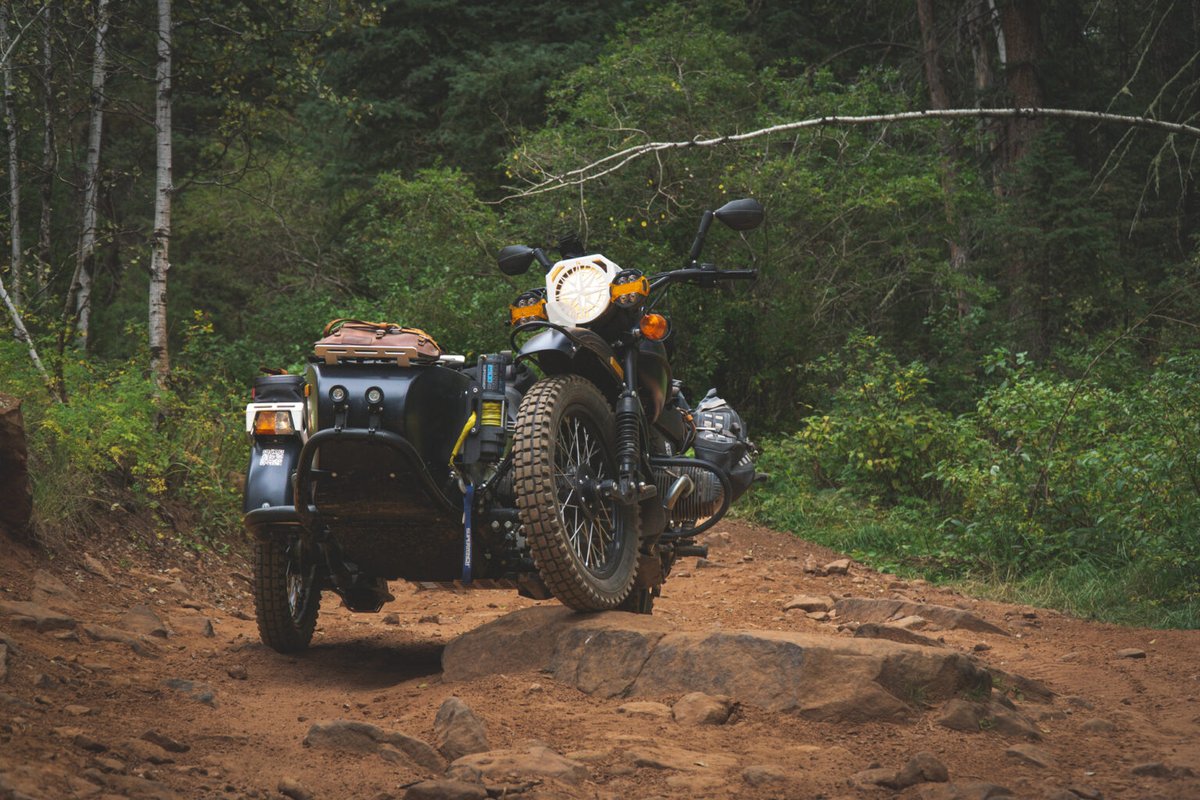
The call of the wild is undeniable—a yearning for paths less traveled, for sunsets over untouched landscapes, and for the self-sufficiency that comes with exploring beyond the paved road. This isn't just about driving; it's about a lifestyle, an escape, and the ultimate test of preparation. Welcome to the exhilarating world of Off-Roading & Overland Builds, where your vehicle isn't just transport, but a meticulously crafted command center for adventure. Whether you dream of tackling challenging trails or embarking on multi-week expeditions, understanding the nuances of these builds is your first step towards making those dreams a reality.
At its core, building an off-road or overland vehicle is about empowerment: equipping yourself and your rig to confidently navigate diverse terrains, withstand the elements, and live comfortably off-grid. It's a journey that combines mechanical know-how, strategic planning, and a deep appreciation for the great outdoors.
At a Glance: Your Expedition Build Roadmap
- Distinguish Your Goal: Off-roading is about conquering obstacles; overlanding is about the journey, with off-roading as a means. Your build strategy hinges on this difference.
- Prioritize the Foundation: Start with a robust, body-on-frame 4x4, not a modified crossover.
- Key Pillars of a Build: Focus on 4x4 capability, payload capacity, reliability, comfort, and space.
- Weight is the Enemy (and the Reality): Every modification adds weight, impacting performance and safety. Plan accordingly.
- Build in Stages: You don't need everything at once. Prioritize essential upgrades.
- Comfort is King on Long Hauls: Don't underestimate the importance of on-road and off-road comfort for multi-day trips.
- Maintenance Matters: Your build is an ongoing project; regular checks are crucial for longevity and safety.
Defining Your Adventure: Off-Roading vs. Overlanding
Before you even think about lifting a wrench, it's crucial to understand the fundamental difference between off-roading and overlanding. While they share common ground—both involve taking a vehicle off paved surfaces—their core objectives and, consequently, their ideal vehicle builds, diverge significantly.
Off-Roading: The Thrill of the Challenge
Think of traditional off-roading as the sport of vehicle mastery over extreme terrain. This might involve rock crawling, mud bogging, or tackling steep, challenging ascents and descents. The primary goal is often to push the vehicle's 4x4 limits against these obstacles, frequently within a single day or a weekend trip, returning to a fixed base camp or home afterward.
For this pursuit, vehicles are often built to be lean, agile, and incredibly robust in specific areas. A short wheelbase, extreme articulation, dedicated rock sliders, and specialized tires are common. Comfort and payload capacity might take a backseat to sheer capability in navigating gnarly trails.
Overlanding: The Journey is the Destination
Overlanding, by contrast, is an expedition-based journey. It involves multi-day, self-reliant adventures into remote wilderness areas, often crossing vast distances and multiple terrains. While you will encounter off-road obstacles, they are typically a means to an end—getting to a unique campsite, a historical site, or simply continuing the journey—rather than the primary objective itself. The essence of overlanding incorporates camping, off-grid living, and carrying all necessary supplies for extended periods.
This distinction is vital for your build. A short-base, two-door 4x4 like an older Suzuki Samurai might excel at rock crawling but would be a truly miserable choice for a week-long overlanding trip with family, simply due to comfort and space limitations. Overlanding demands a vehicle that balances robust off-road capability with significant payload capacity, reliability, on- and off-road comfort, and interior space for gear and occupants.
In short: Off-roading is about overcoming obstacles; overlanding is about the expedition, which may include obstacles. Your build should reflect your primary objective.
The Foundation: What Makes an Ideal Expedition Vehicle?
Building a capable off-roading or overlanding rig starts with selecting the right base vehicle. This isn't where you want to compromise, as the vehicle's inherent design dictates its potential. The core priorities, derived from countless miles of expert experience, are:
- Robust 4x4 Capabilities: This is non-negotiable. You need a base with optimal approach/departure angles, sufficient ground clearance, large wheel wells, and a chassis less prone to damage.
- Reliability: Remote areas aren't the place for breakdowns. A vehicle with a reputation for dependability is paramount.
- Payload Capacity: Essential for carrying gear, fuel, water, and occupants.
- On & Off-Road Comfort: Long days on varied terrain require a vehicle that won't beat you up.
- Interior Space: Enough room for gear, food, sleeping arrangements, and passengers without feeling like sardines.
Based on these factors, the ideal candidate for an overland vehicle is typically a mid or full-size body-on-frame truck, SUV, or even a capable van. These platforms inherently offer the strength, durability, and modification potential required for demanding adventures.
Why Body-on-Frame is Your Best Friend
Unlike modern unibody crossovers, a body-on-frame vehicle (where the body sits on a separate, strong ladder frame) offers several critical advantages for off-road and overland use:
- Strength and Durability: The separate frame provides immense structural rigidity, better handling the stresses of off-road impacts, heavy loads, and twisting terrains without compromising passenger safety or vehicle integrity.
- Modifiability: Attaching aftermarket bumpers, rock sliders, heavy-duty suspension, and other accessories is far simpler and stronger on a frame.
- Repairability: In the event of frame damage, it's often more straightforward to repair or replace components than with a unibody vehicle.
- Towing/Payload: The robust frame is designed to support significantly higher payload and towing capacities, crucial for loaded expedition vehicles.
Pitfall Alert: Attempting to transform a non-off-road AWD crossover into a serious overland rig is a common misconception. While some modifications can improve their dirt road capability, they will only ever approximate a stock 4WD SUV, and compromises in payload, durability, and ultimate off-road prowess will quickly become apparent when fully loaded with gear for a serious expedition. It's often more cost-effective and safer to start with a proper 4x4 platform.
Core Build Pillars: Beyond the Stock Vehicle
Once you've chosen your robust base vehicle, it's time to consider the specific modifications that will transform it from a daily driver into an expedition-ready machine. These upgrades fall into several critical categories, each building upon the vehicle's inherent strengths.
1. Enhancing 4x4 Capabilities: Getting Further, Safer
Even the most capable stock 4x4 benefits from strategic upgrades to improve its ability to traverse challenging terrain.
Suspension Systems: The Heart of the Ride
A well-designed aftermarket suspension system is arguably the most impactful upgrade. It's not just about lift; it's about control, load-carrying capacity, and articulation.
- Lift Kits: While a lift increases ground clearance, its primary benefit is often allowing for larger tires. Choose a lift that is appropriate for your vehicle and intended use (e.g., 2-3 inches is common for overlanding; extreme lifts can negatively affect handling and component longevity).
- Shocks and Coils/Leaf Springs: Upgrade to heavy-duty shocks and springs designed for the increased weight of your build. Standard suspension will sag and perform poorly under the constant stress of heavy bumpers, roof racks, and gear.
- Articulation: Look for suspension components that improve wheel travel, allowing your tires to maintain contact with uneven terrain, thus maximizing traction.
Tires: Your Only Contact with the Earth
Tires are the single most important component for off-road traction.
- All-Terrain (AT) vs. Mud-Terrain (MT): AT tires offer a good balance of off-road grip and on-road manners, making them ideal for varied overland journeys. MT tires provide superior grip in mud and rocks but can be noisy and less comfortable on pavement, often reserved for dedicated off-roaders.
- Size: Larger tires increase ground clearance and improve obstacle traversal. However, going too large can require significant modifications (re-gearing, fender trimming) and negatively impact fuel economy and strain drivetrain components.
- Ply Rating: Look for "load range E" or similar heavy-duty tires for better puncture resistance and load-carrying capacity, especially for heavily laden overland vehicles.
Underbody Protection: Armor for Your Assets
Rocks, stumps, and unseen obstacles are inevitable. Protecting vital components is crucial.
- Skid Plates: Guard your oil pan, transmission, transfer case, and fuel tank from impact damage.
- Rock Sliders: These stout bars protect your rocker panels (the bodywork between your wheels) from impacts and can serve as a step.
- Aftermarket Bumpers: Steel bumpers provide greater impact protection than stock plastic, often include recovery points, and can house winches and auxiliary lighting.
Recovery Gear: When Things Go Sideways
Even the most prepared adventurer can get stuck. Reliable recovery gear is non-negotiable.
- Winch: A front-mounted electric winch is invaluable for self-recovery or assisting others. Ensure it's properly rated for your vehicle's gross vehicle weight.
- Recovery Straps & Shackles: Kinetic recovery ropes are excellent for dynamic pulls, while static straps are for winching. Always use rated shackles.
- Traction Boards: Devices like MAXTRAX or similar can provide grip in sand, mud, or snow, allowing you to drive out of a bind.
- High-Lift Jack: A versatile tool for lifting, winching, or clamping, but requires careful training to use safely.
2. Space & Payload: Your Mobile Base Camp
Overlanding means bringing your home with you. This requires careful consideration of cargo management and your vehicle's payload capacity.
Payload Capacity: The Overlooked Metric
This is often the most critical, yet frequently ignored, specification. Payload capacity is the total weight your vehicle can safely carry, including passengers, fuel, water, gear, and all your modifications (bumpers, winch, roof rack, etc.). Every single modification adds weight, reducing your available payload. A common error is overloading a vehicle, which compromises handling, braking, suspension performance, and vehicle longevity.
For example, a Land Cruiser is noted for its capability across various terrains while also providing comfort on long road travels between destinations. Its robust design also contributes to a respectable payload, making it a favorite among overlanders. Similarly, you might want to Explore 1st gen Tacoma details to understand its payload and build potential for overlanding.
Storage Solutions: Organization is Key
Efficient storage ensures easy access to gear and a comfortable living space.
- Roof Racks: Essential for bulky, lightweight items like roof top tents, extra fuel, water, and recovery boards. Choose a robust, low-profile rack to minimize wind noise and drag.
- Drawer Systems: Custom or aftermarket drawer systems for the rear cargo area provide organized, secure storage for tools, kitchen gear, and dry goods.
- Interior Organization: MOLLE panels, cargo nets, and seatback organizers keep smaller items secure and accessible.
- Water & Fuel Storage: Dedicated water tanks (often mounted discreetly) and auxiliary fuel tanks or jerry cans are crucial for extended trips.
While compact SUVs or trucks may suffice for solo trips, multi-person adventures demand significantly more cargo and gear capacity, underscoring the need for careful payload calculations.
3. Performance: Handling the Load
A vehicle loaded with body armor, oversized tires, and expedition gear becomes significantly heavier than stock. This added weight stresses the engine, transmission, and drivetrain.
Engine & Drivetrain: Powering the Expedition
An ideal candidate must handle this added weight without severe performance degradation.
- Engine Tuning: Sometimes, an aftermarket engine tune can optimize fuel delivery and timing for the extra weight and larger tires, improving power and efficiency.
- Gearing: Larger tires effectively "raise" your gear ratio, making the vehicle feel sluggish. Re-gearing the differentials to match the new tire size restores power, improves drivability, and reduces strain on the transmission.
- Cooling System: Heavier loads and slower speeds can put more strain on your cooling system. Consider upgrading your radiator or adding an auxiliary transmission cooler.
Braking Systems: Stopping Power is Paramount
With increased weight, your stock brakes may become inadequate, leading to longer stopping distances and brake fade.
- Brake Upgrades: Consider larger rotors, heavy-duty pads, and steel braided brake lines for improved stopping power and fade resistance.
- Trailer Brake Controller: If you plan to tow an off-road trailer, a robust brake controller is essential.
4. Comfort: Making the Wilderness Home
Off-road miles can be grueling. Comfort plays a major role in the enjoyment and sustainability of any overland trip, especially multi-day excursions.
Sleeping Arrangements: A Good Night's Rest
Quality sleep is vital for safe and enjoyable adventuring.
- Roof Top Tents (RTTs): Popular for their quick setup, off-ground sleeping, and integrated mattress. They free up interior space but add weight and height.
- Ground Tents: Traditional camping tents remain a versatile and often more affordable option.
- Interior Sleeping Platforms: Many vehicles can be configured with platforms for sleeping inside, offering more security and protection from the elements.
Kitchen & Galley: Fueling the Crew
Eating well on the trail makes a huge difference.
- Fridge/Freezer: A 12V compressor fridge is a game-changer for keeping food fresh, eliminating the need for ice.
- Cooking System: A portable two-burner stove, a sturdy cooking surface, and organized kitchen essentials are fundamental.
- Water Filtration: A reliable water filtration system allows you to source water from natural bodies, reducing the amount you need to carry.
Climate Control & Amenities: Creature Comforts
Essential elements include comfortable seats, minimal noise, effective A/C, and well-organized sleeping or kitchen areas.
- Seating: Upgrade to more ergonomic and supportive seats for long hours behind the wheel.
- Climate Control: Ensure your vehicle's heater and A/C are in top condition, especially in extreme climates.
- Power Management: A dual battery system is highly recommended to power accessories like fridges, lights, and charging devices without draining your starting battery. Solar panels can provide a sustainable charging source.
- Lighting: Auxiliary LED lighting (forward-facing, side, and rear) improves visibility for night driving, setting up camp, and recovery operations.
Common Misconceptions & Pitfalls to Avoid
Even seasoned adventurers can make mistakes. Here are some common traps to steer clear of:
- "More Lift is Always Better": Excessive lift compromises vehicle stability, increases driveline angles (leading to wear), and often requires extensive (and expensive) modifications to correct geometry.
- "Buying Cheap is Smart": Budgeting is important, but critical components like recovery gear, suspension, and tires are not areas to skimp on. Reliability and safety are paramount.
- "I'll Just Haul Everything": Overloading is dangerous. Understand your vehicle's Gross Vehicle Weight Rating (GVWR) and payload capacity. Distribute weight evenly and keep heavy items low.
- "Ignoring Maintenance on a Modified Vehicle": Aftermarket parts often require specific maintenance or checks. Larger tires and heavier loads put more stress on bearings, ball joints, and steering components. Regular inspections are crucial.
- "Building for the Edge Case": Unless you plan to spend most of your time rock crawling, don't build a vehicle exclusively for the most extreme scenario. A balanced approach is usually more practical and comfortable for overlanding.
- "Buying All the Bling at Once": Prioritize functionality. A fancy light bar looks cool, but a reliable suspension and good tires will get you further and safer. Build in stages, addressing the most critical needs first.
Budgeting Your Build: A Realistic Look
Building an off-road or overland vehicle can range from a few thousand dollars for essential upgrades to tens of thousands for a full-blown expedition rig. Be realistic about your budget and expectations.
Typical Cost Breakdown (Estimates, highly variable):
- Base Vehicle: $10,000 - $100,000+ (used to new)
- Suspension (Lift, Shocks, Springs): $1,500 - $5,000+
- Tires (Set of 5): $1,000 - $2,500+
- Armor (Bumpers, Sliders, Skids): $2,000 - $8,000+
- Winch & Recovery Gear: $800 - $2,500+
- Roof Rack & Storage: $500 - $2,000+
- Roof Top Tent: $1,000 - $5,000+
- Dual Battery System/Power Management: $500 - $2,000+
- Fridge/Freezer: $800 - $1,500+
- Misc (Lights, Comms, Water, etc.): $1,000 - $5,000+
It's clear that costs can quickly add up. Consider a phased approach:
- Phase 1: Essentials: Tires, basic recovery gear, a good suspension (if needed).
- Phase 2: Capability & Protection: Armor, winch, upgraded suspension.
- Phase 3: Comfort & Self-Sufficiency: Roof rack, RTT, fridge, power system, storage solutions.
- Phase 4: Optimization: Re-gearing, advanced lighting, communications.
This allows you to spread the cost, learn what you truly need, and test components before committing to a full build.
The Journey Continues: Maintenance, Practice, and Mindset
Your expedition vehicle is more than just a collection of parts; it's a living system that requires ongoing attention.
Regular Maintenance is Non-Negotiable
Beyond standard oil changes and fluid checks, heavily modified vehicles demand extra care:
- Inspect Suspension Components: Check for loose bolts, worn bushings, and damaged shocks regularly, especially after a challenging trip.
- Tire Rotation & Pressure: Crucial for tire longevity and optimal handling. Adjust pressures for on-road vs. off-road.
- Driveline & Differential Fluids: Ensure these are properly serviced, especially if you've been through water crossings.
- Recovery Gear Inspection: Check winches, ropes, and straps for damage.
Practice Your Skills
A highly capable vehicle is only as good as the driver behind the wheel.
- Off-Road Driving Courses: Invest in formal training to learn proper techniques for obstacle traversal, recovery, and vehicle dynamics.
- Practice in Safe Environments: Before attempting remote or challenging trails, practice with your vehicle and recovery gear in controlled settings.
Embrace the Overland Mindset
Overlanding isn't just about the vehicle; it's a philosophy.
- Self-Reliance: Be prepared to fix minor issues yourself. Carry essential tools and spare parts.
- Leave No Trace: Respect the environment. Pack out everything you pack in, stay on designated trails, and minimize your impact.
- Adaptability: Plans change. Weather shifts, trails close, and unexpected events happen. Be flexible and enjoy the adventure regardless.
- Patience: Overlanding is not a race. Savor the journey, the views, and the moments of solitude or camaraderie.
Chart Your Course: Your Next Steps
Building your ultimate off-roading or overlanding vehicle is a deeply personal journey, reflecting your adventurous spirit and specific needs. It's a testament to preparation, resilience, and the relentless pursuit of discovery.
Start by clearly defining your primary objective: are you chasing extreme trails or extended expeditions? Research suitable base vehicles, giving careful consideration to their inherent strengths and payload capacities. Then, prioritize your build phases, focusing on the core pillars of capability, space, performance, and comfort.
Remember, the goal isn't just to build a vehicle; it's to build confidence, create freedom, and unlock experiences that few ever get to witness. So, start planning, start building, and get ready to forge your own path to adventure. The wilderness awaits.